
Russia, China and the US – the global winners and losers of the Iran war

SOURCE: bbc.com | PUBLISHED: 20 March 2026 at 00:08
As the conflict triggers economic disruption some risk being hit hard, while others stand to benefit.
ORIGINAL ARTICLE: Read full article →
AI Impact Analysis — Score: 8/10
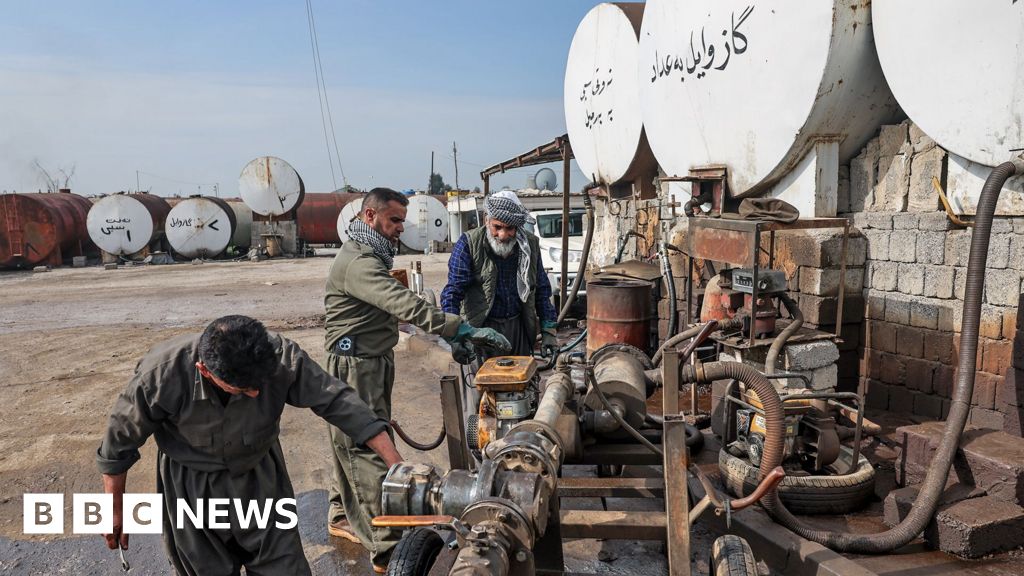
The conflict involving Iran is triggering significant economic disruption with uneven consequences across the globe. Energy markets are being severely affected by disruption to the Strait of Hormuz, a critical artery for Middle Eastern oil exports, pushing up fuel prices for consumers and businesses worldwide. European households, including those in the UK, face rising heating bills as energy costs climb, while countries with limited resources such as Pakistan are experiencing broader economic hardship. Within Europe, Norway stands to benefit as an alternative energy supplier, potentially ramping up production to meet demand from customers seeking to move away from disrupted Gulf supplies, echoing its response after Russia’s 2022 invasion of Ukraine. However, European consumers and economies more broadly remain vulnerable to sustained high energy prices, which could fuel inflation and slow economic growth across the continent. Russia emerges as a perhaps unexpected major beneficiary, with crude oil sales to India surging and potential additional revenues of up to $5 billion, raising concern that Western policy responses may inadvertently strengthen Moscow’s economic position. The United States faces a complex picture, with domestic oil producers potentially gaining while the broader American economy contends with higher energy costs. Coal-exporting nations such as Indonesia may also see short-term economic gains as some countries revert to cheaper fossil fuels. The situation underscores Europe’s continued vulnerability to energy market shocks and the strategic importance of accelerating energy diversification and security.
⚠️ AI-assisted content — reviewed by our team before publishing.


Responses