
Nowruz in Tehran: Crowded markets dispte ongoing airstrikes


SOURCE: euronews.com | PUBLISHED: 20 March 2026 at 13:36
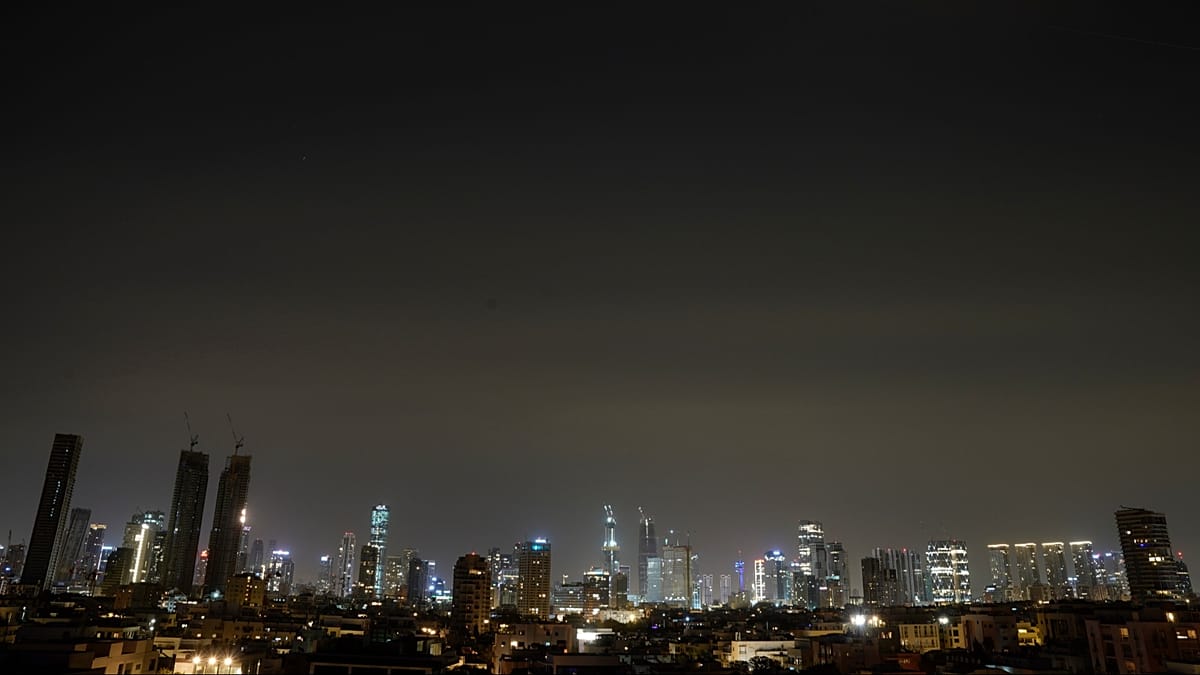
Iran’s capital Tehran showed signs of cautious activity on 19 March 2026 as residents prepared for Nowruz, despite ongoing US-Israeli strikes that have disrupted daily life since 28 February.
ORIGINAL ARTICLE: Read full article →
AI Impact Analysis — Score: 8/10
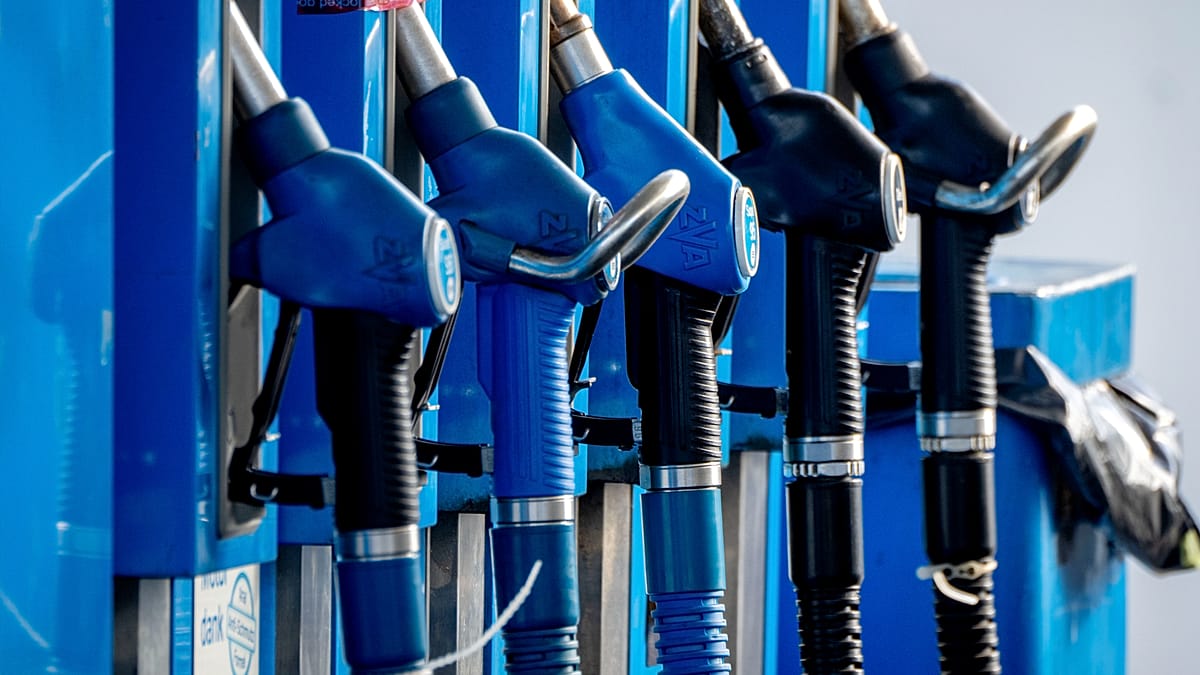
The provided article text does not match the headline or snippet supplied — the full text appears to be an unrelated travel piece about a 2027 solar eclipse, making it impossible to verify the claims in the headline. Based solely on the headline and snippet, if accurate, ongoing US-Israeli military strikes on Iran since late February 2026 would represent a significant escalation in Middle Eastern conflict with wide-ranging consequences. For Europe, such a conflict could trigger energy market volatility, as Iran remains a notable player in global oil and gas supply chains, potentially pushing fuel and heating costs higher for European consumers. Disruption to regional stability could also accelerate refugee and migration flows toward Europe, placing pressure on border and asylum systems. Global shipping routes through the Persian Gulf and Strait of Hormuz could face serious disruption, affecting supply chains and trade far beyond the immediate region. European governments would likely face diplomatic pressure to respond, potentially straining transatlantic relations depending on the level of US involvement. The resilience of Tehran’s civilian population in continuing Nowruz preparations reflects the human dimension of the conflict, though sustained strikes risk deepening a humanitarian crisis. Readers are advised to consult verified, up-to-date news sources, as the information provided here contains inconsistencies that prevent full independent verification.
⚠️ AI-assisted content — reviewed by our team before publishing.

Responses