
Iran war: Assassinations leave little room for negotiation

SOURCE: dw.com | PUBLISHED: 20 March 2026 at 16:13
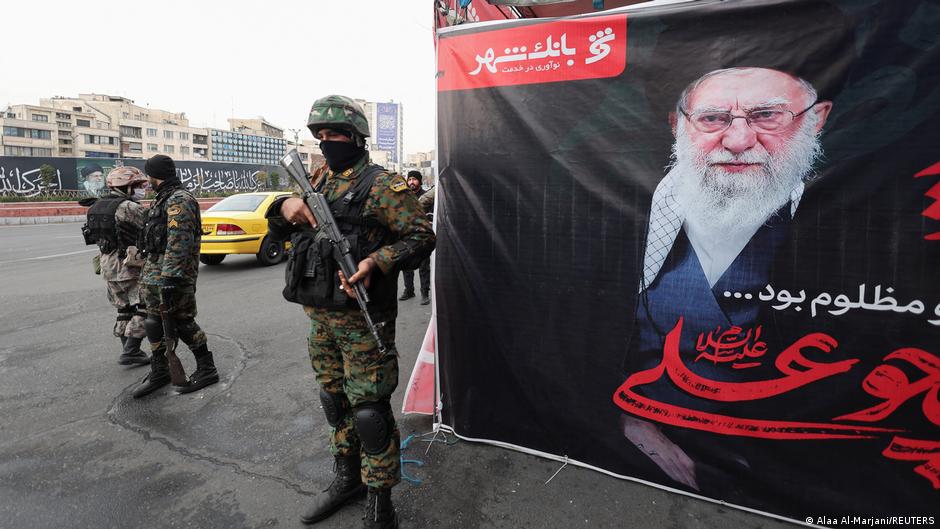
With most of its leaders killed, those stepping up to take their place in the Iranian regime appear to be far less willing to compromise. Is Washington’s strategy of decapitation strikes backfiring?
ORIGINAL ARTICLE: Read full article →
AI Impact Analysis — Score: 8/10
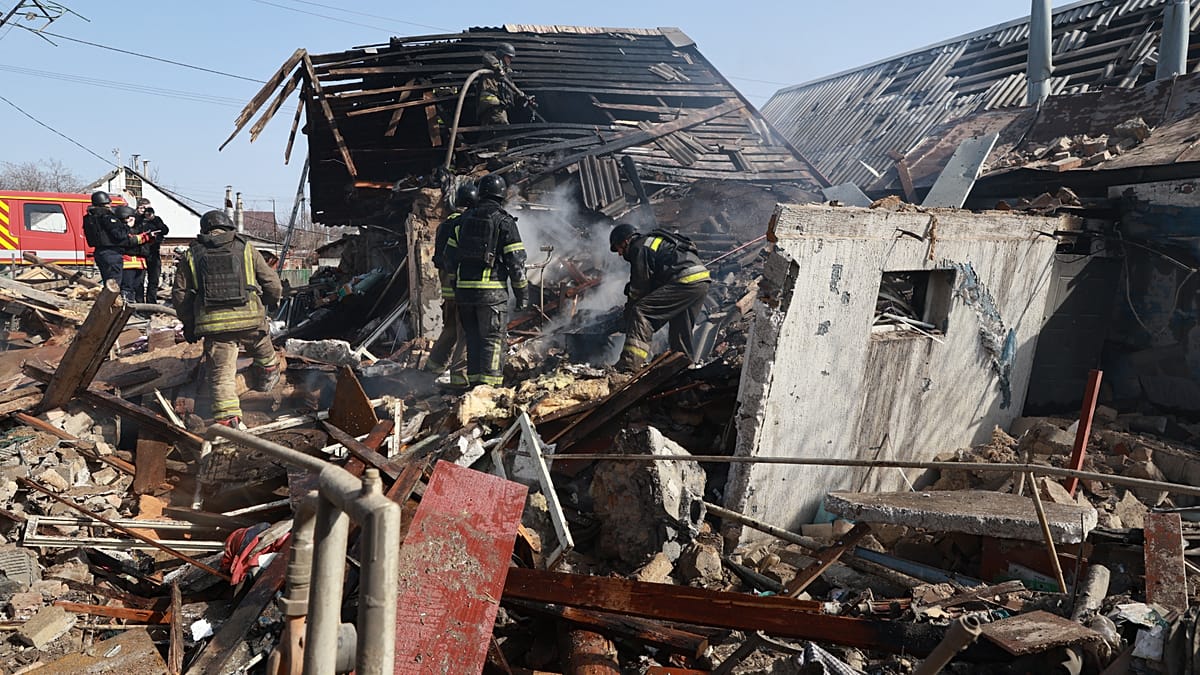
The conflict between the United States, Israel, and Iran has now entered its fourth week, with sustained bombing campaigns targeting military, energy, and civilian infrastructure across the region. The targeted killing of senior Iranian leaders, including Supreme Leader Ali Khamenei and security chief Ali Larijani, has significantly disrupted Iran’s chain of command, but analysts warn this strategy may be undermining prospects for a negotiated end to the conflict. Those now filling leadership roles within the Iranian regime are assessed as less pragmatic and less willing to compromise, making diplomatic engagement increasingly difficult. For Europeans, the most immediate consequences are rising energy prices driven by disruption to Persian Gulf gas fields and oil infrastructure, contributing to broader inflationary pressures and economic uncertainty across the continent. Global supply chains and energy markets remain vulnerable as long as the conflict continues without a clear resolution pathway. Diplomatic experts note a severe trust deficit on Iran’s side, as Tehran perceives that the US conducted strikes even during prior negotiation phases, making formal talks highly unlikely in the near term. Indirect communication channels through countries like Iraq and Oman remain a possibility, but analysts see no prospect of meaningful diplomatic movement for now. The situation carries serious humanitarian implications, with civilian infrastructure under attack and regional instability threatening to deepen. European governments face growing pressure to respond to economic fallout while navigating a conflict in which they have limited direct influence. The prolonged war risks further destabilising the broader Middle East, with potential knock-on effects for migration, security, and trade routes that directly affect European interests.
⚠️ AI-assisted content — reviewed by our team before publishing.

Responses