
IEA urges swift cuts in oil demand, encourages remote work, less air travel

SOURCE: euronews.com | PUBLISHED: 20 March 2026 at 11:22
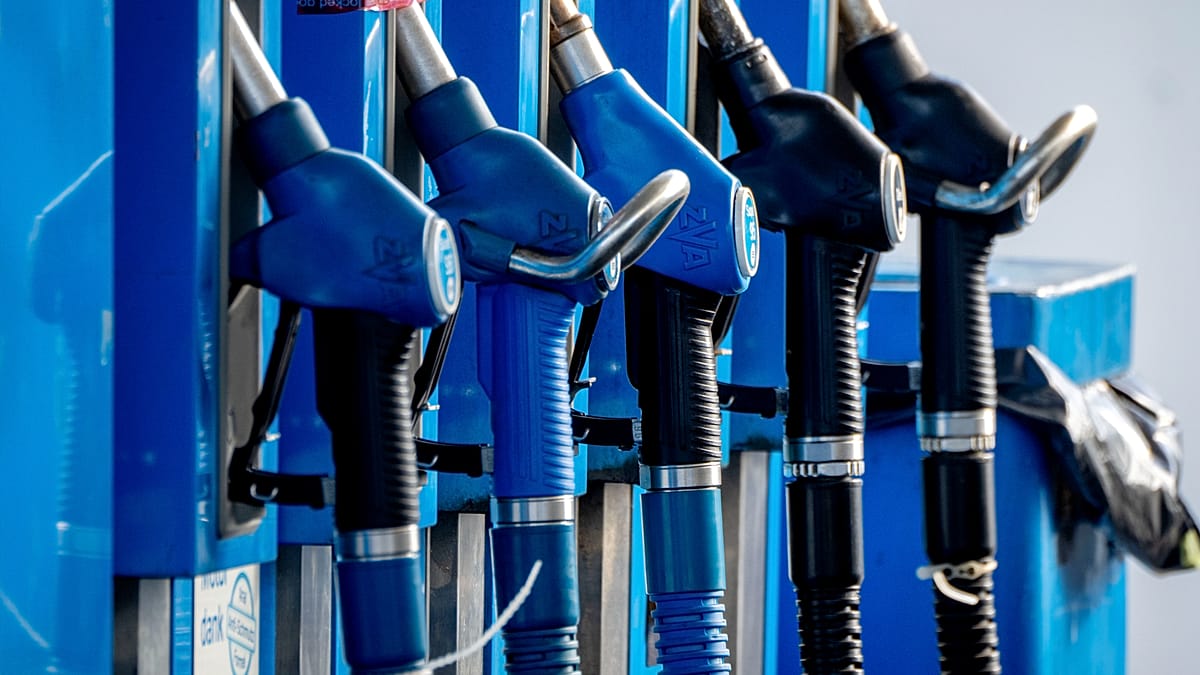
As the war in the oil-rich Middle East keeps escalating, the International Energy Agency is calling on governments to take measures to reduce oil demand by pushing remote working, reducing speed limits and encouraging a shift towards public transport.
ORIGINAL ARTICLE: Read full article →
AI Impact Analysis — Score: 8/10
The International Energy Agency (IEA) has called on governments worldwide to implement concrete measures aimed at reducing oil demand amid escalating conflict in the Middle East, a region that supplies a significant portion of the world’s crude oil. The proposed measures include promoting remote working, lowering highway speed limits, and encouraging greater use of public transport — policies that would directly affect the daily lives of millions of people across Europe and beyond. Geopolitical instability in oil-producing regions has historically triggered sharp rises in fuel prices, which feed through into higher costs for goods, transport, and energy bills for households and businesses. For European countries, which are already heavily dependent on oil imports, sustained disruptions to Middle Eastern supply chains could place renewed pressure on inflation and energy security. The IEA’s recommendations echo emergency demand-reduction measures previously suggested during the 2022 energy crisis, signalling the agency’s concern about supply vulnerabilities. Governments adopting speed limit reductions and remote work incentives could face public resistance, particularly in countries where car dependency is high and labour markets have only recently normalised post-pandemic. At the same time, such measures could accelerate structural shifts already underway in transport and urban planning. Globally, reduced oil demand could help stabilise prices, easing cost-of-living pressures in both developed and developing economies. The situation remains fluid, and the ultimate impact will depend heavily on how the Middle East conflict evolves in the coming weeks.
⚠️ AI-assisted content — reviewed by our team before publishing.


Responses